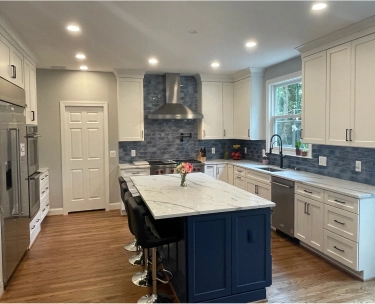


Since 1996, Sage Construction has been assisting clients in Northern Virginia. We’ve seen it all over the years, and thanks to our extensive industry experience, we know which actions can make or break a project. With close attention to detail, many problems are completely avoidable through the right approach and oversight. There are seven major home construction mistakes that contractors should avoid if they want to prevent expensive issues and costly delays.

1. Poor Planning
A quote attributed to Benjamin Franklin states, “If you fail to plan, you are planning to fail!” This applies to many aspects of life, including home construction projects. Improper planning, such as not coordinating your team early or not getting the proper permits, could lead to numerous issues. Even small missteps can snowball into disruptions, delays, and setbacks.
2. Choosing the Wrong Materials
During a construction project, it’s crucial to choose materials that are high-quality, suitable for the job, and can withstand the local climate. You should never prioritize a cheaper cost over long-term durability. This could result in premature wear and tear, structural issues, and costly repairs or replacements that could have easily been avoided. Additionally, since many projects come via word of mouth, shoddy work wouldn’t bode well for your reputation.
3. Not Adhering to the Budget
It’s essential to provide the client with a realistic, itemized budget upfront and to get it approved before you begin. This ensures that both of you are on the same page and that there are clear expectations in place. During the project, you should also avoid making any unnecessary design changes, especially if they result in increasing costs. Keep track of every dollar throughout the project’s duration, as this prevents you from going over budget.
4. Inefficient Space Design
One of the main goals of many home construction projects is to maximize space. It’s important to consider the client’s short-term and long-term goals so that you can plan accordingly. The final results should enhance the space and improve functionality, not lead to more problems than those present at the beginning. Consider vital aspects, such as storage needs and traffic flow, to help create a design that works best for the client. This can also prevent future issues if the project starts heading in a direction the client doesn’t like.
5. Cutting Corners on Quality
Cutting corners on quality doesn’t just apply to using sub-par materials. It also pertains to other aspects, such as not using the proper techniques because they take longer. Other examples include skipping essential inspections or using unqualified subcontractors. If a client is unhappy with the cost of certain specifics, it’s important to have an honest conversation rather than simply giving in. Explain the long-term risks and potential added expenses that can result from going with the lower-cost alternative(s).
6. Foregoing Code Compliance
Code compliance is mandatory. Ignoring local building codes and requirements is a massive issue that could have severe consequences. They can vary by area; however, they often include problems like delays, stop-work orders, and hefty fines. Failure to comply can also lead to safety hazards and may require expensive corrective work before the project can proceed legally.
7. Working With an Inexperienced Team
Not every member of a construction crew has decades of experience. However, it’s crucial to work with a team you can trust to get the job done efficiently, safely, and accurately. Your team members must have references and proven experience. Working with an inexperienced team could increase the risk of delays, errors, and miscommunication.
Why Communication Is Essential During Any Home Construction Project
Excellent communication is vital during any construction project. This allows everyone involved to clearly understand everything from the anticipated timeline to what aspects of the project are happening and when. Creating an open dialogue allows your team and the clients to address any potential issues before they occur. This prevents expensive mistakes and project delays and ensures you’re executing your clients’ vision according to their specifications.
Clear communication isn’t just necessary between the company and clients; it’s also necessary between team members. This allows your employees to work together seamlessly without disruptions and distractions, as well as meet all safety protocols. Make sure you establish a team that not only communicates with each other, but also does so properly.
Tips for Avoiding Common Home Construction Mistakes
There’s a lot involved with home construction projects. However, it’s important to keep in mind that clients are trusting you to perform safe, efficient, and high-quality work.
Sage Construction takes multiple steps to prevent mistakes and issues from occurring. For example, we work with an exceptional, experienced team. We’re fully licensed and insured and adhere to all local building codes and safety regulations during every stage. This not only prevents delays and ensures legal construction but also gives clients peace of mind. We also put extensive thought into planning from the beginning to prevent avoidable errors.
The Sage Construction team takes pride in its work. We take a client-focused approach that includes safety precautions, using high-quality methods and materials, and maintaining clear communication. This commitment means that we complete every job, from indoor remodeling to outdoor additions, safely, efficiently, and to the highest standards.
Contact us today to schedule your remodeling consultation in Northern Virginia.